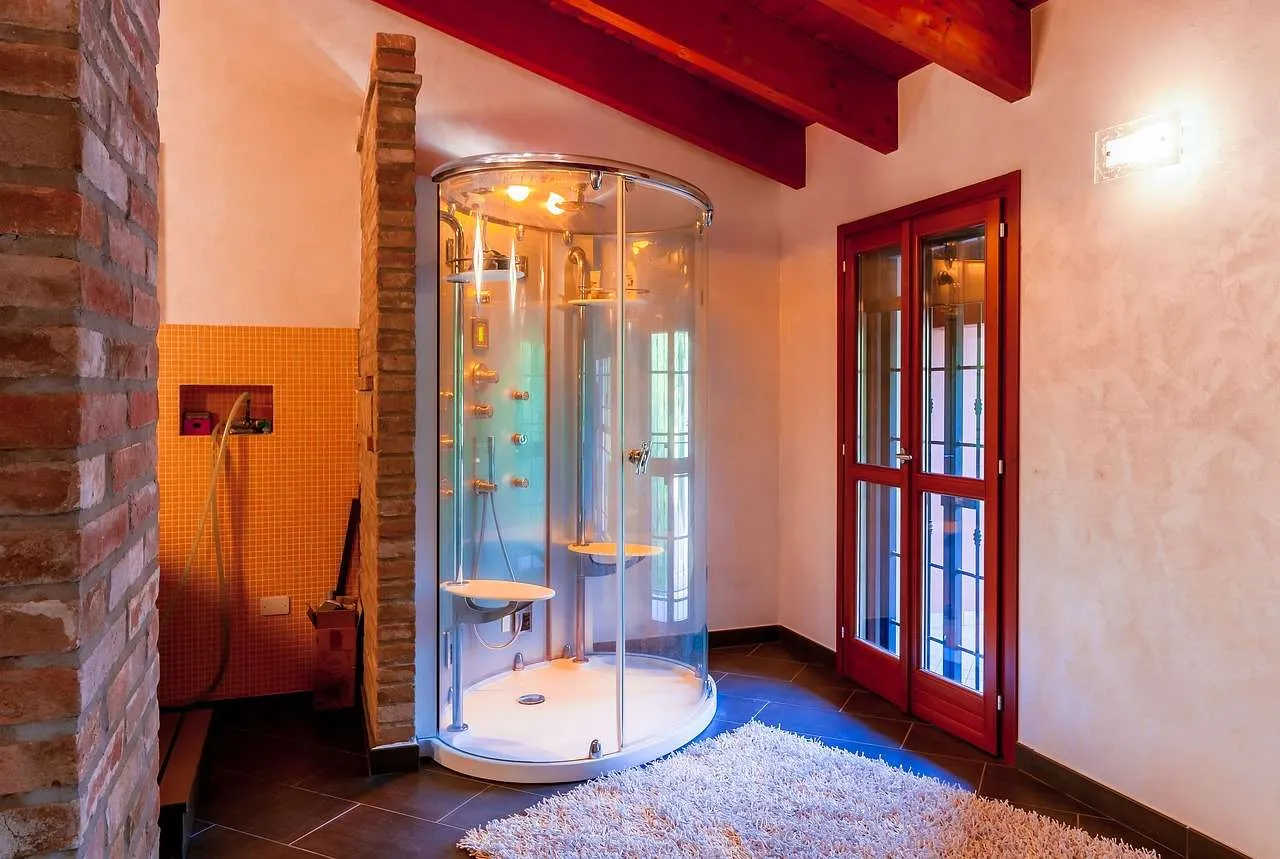
Small bathroom ideas often focus on maximizing space without sacrificing style. With careful planning, even micro spaces can feel open and functional. This guide draws on proven space saving strategies used by professional designers to create a balanced, durable, and visually appealing bathroom.
Key principles for small bathrooms
Start with layout, light, and durable finishes. In compact baths, every inch counts, so prioritize an efficient traffic flow, minimize clutter, and choose fixtures that serve more than one purpose. As a seasoned designer, I rely on three pillars: efficiency, light, and durability.
Smart layout and flow
Place a doorway that does not cut into the room; use a pocket door or barn door if possible. Think in zones for cleaning, washing, and drying. A long, narrow corridor feel can be softened by a glass shower panel instead of a solid wall and by a wall mounted vanity that keeps floor space visible.
Compact fixtures
Choose a wall mounted toilet, a shallow vanity, and a compact sink. A corner basin or a pedestal sink can free up precious inches. For baths, consider a shower stall or a compact tub to maximize usable area.
Storage and organization
Storage must be easy to access and visually unobtrusive. Use recessed medicine cabinets, tall slim storage, and under sink organizers. Magnetic strips for small metals, adjustable shelves, and built in niches can reduce countertop clutter.
Fixtures and finishes
Opt for clear glass shower doors to create a visual flow and reflect light. Large format tiles reduce grout lines and maintain a sense of continuity. Light or neutral wall colors with a bold accent color in towels or accessories can make the space feel larger without overwhelming it.
Lighting and color strategies
A balanced mix of ambient, task, and accent lighting makes a tiny bath more approachable. Use recessed ceiling lights, bright task lights over mirrors, and reflective surfaces to bounce light. Soft whites and cool neutrals with a few warm accents create depth and warmth.
Storage ideas and organization tips
Consider a recessed medicine cabinet, floating vanity with a drawer system, and built in niches for shampoo and soaps. Use grab bars as design features in a cohesive color and texture to integrate safety with style. Clear containers and uniform lids reduce visual busyness.
Budget friendly upgrades
You can refresh a small bathroom with a focused plan: replace the vanity with a compact model, install a glass shower panel, update lighting, and regrout or refresh tile. DIY projects such as painting cabinets or installing simple shelves can cut costs while delivering a noticeable upgrade.
Comparison of layout options
| Layout Option | Best For | Pros | Cons |
|---|---|---|---|
| Floating vanity + wall hung toilet | Small spaces | More floor space; easy cleaning; open feel | Limited storage; plumbing access |
| Walk in shower with glass panel | Shower focused baths | Perceived space; accessible | Water splash risk if not sealed |
| Corner sink with recessed storage | Very tight spaces | Maximizes corners; less bulk | Very limited counter space |
| Tub shower combo with compact vanity | Family use | Versatile; affordable | Less open floor area |
Careful material choices and professional installation help ensure durability in high humidity. Access to quality products and reliable installers is a cornerstone of success in small bathroom ideas that last.
Conclusion, applying the right layout, compact fixtures, smart storage, and thoughtful lighting can transform the smallest bathroom into a functional, stylish space that feels larger and cohesive.