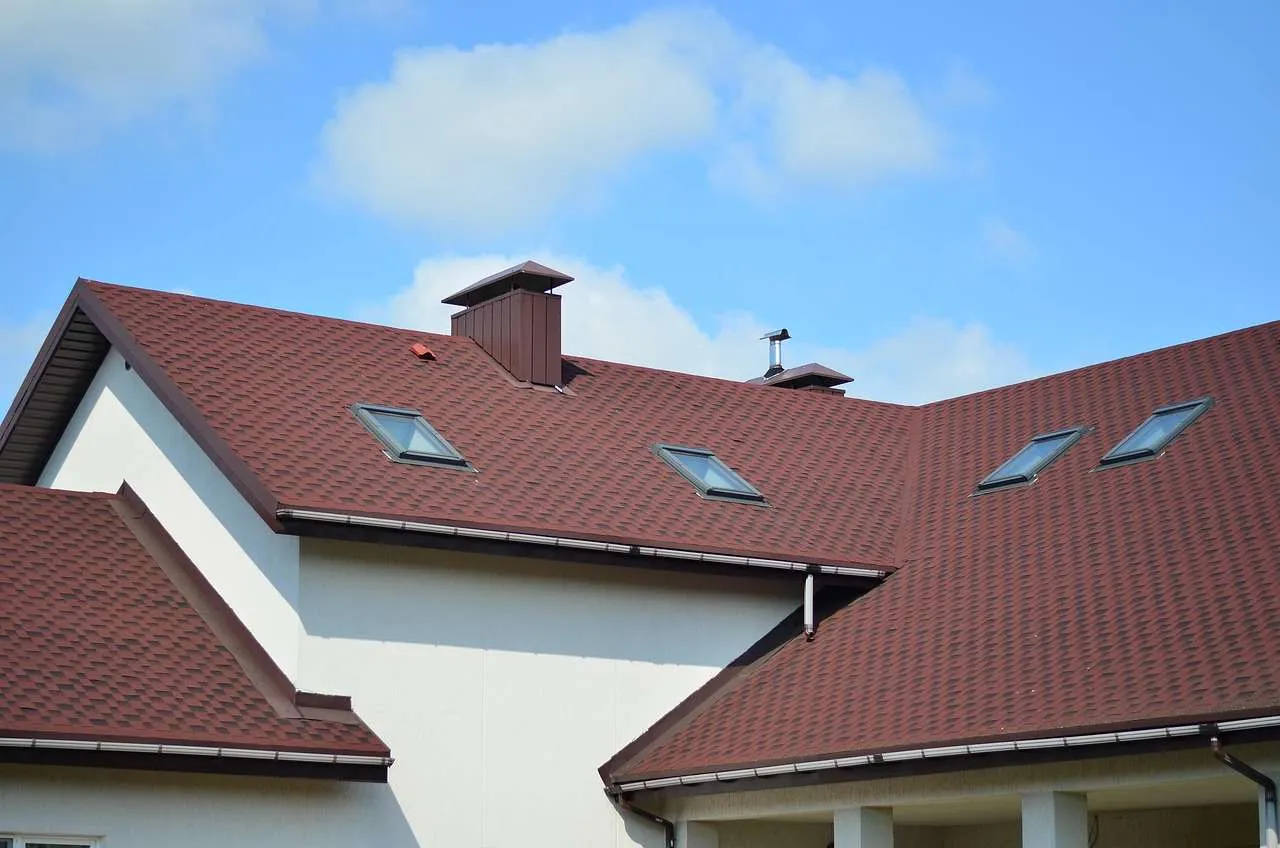
Understanding Roofing and Roof Repairs
Roofing is the system of materials that protects a building from weather, while roof repairs restore its integrity when damage or wear occurs. A well-maintained roof safeguards your home, improves energy efficiency, and preserves property value. Watch for early warning signs such as water stains on ceilings, warped or missing shingles, granules in gutters, moss or algae growth, ice dams, and unusual drafts or temperature fluctuations in upper rooms. Timely roof repairs reduce the risk of structural damage and more expensive replacements later.
DIY versus Professional: When to Call a Pro
Many minor maintenance tasks, like clearing gutters or removing small debris, can be done safely by a homeowner with proper precautions. However, roof repairs and replacements involve height, fall hazards, and complex flashing details that affect waterproofing. It is wise to hire a licensed roofing contractor for leak investigations, flashing repairs around chimneys and vents, and any work on sleep slopes or steep roofs. Reputable pros carry liability insurance and workers compensation, provide written estimates, and offer warranties on workmanship and materials, which strengthens trust and EEAT signals.
Common Roofing Materials and Repair Tasks
Roofs come in various materials, each with unique repair needs. Asphalt shingles are the most common in many regions and typically require shingle replacement, flashing reseals, and vent boot repairs. Metal roofs demand patching seams or replacement panels and flashings. Tile and clay roofs may need broken tile replacement and grout or mortar repairs. Flat roofs using built-up roofing or EPDM membranes often require patching, seam repairs, and improved drainage. Across all types, common repair tasks include:
- Replacing damaged or curling shingles and missing tabs
- Repairing or replacing flashing at valleys, chimneys, and vents
- Fixing leaks around penetrations and vent boots
- Addressing drainage issues through gutter and downspout work
- Cleaning debris to prevent water backup and ponding
Costs, Warranties, and Scheduling
Repair costs vary by material, extent of damage, roof accessibility, and regional labor rates. Typical ranges in many markets are:
- Minor roof repair (shingle patch, small flashing fix): modest and quick
- Shingle replacement for isolated damaged areas
- Flashing repair or replacement for critical waterproofing points
- Partial roof replacement when large sections are compromised
- Full roof replacement when the lifespan is near its end
Always favor a written estimate detailing scope, materials, and a clear warranty on both labor and materials. Ask about manufacturer warranties on specific products and the contractor’s workmanship guarantee. Consider the roof’s expected lifespan (materials and climate influence this) when planning maintenance and replacements. Proper maintenance can extend life, lower energy costs, and protect your home’s value.
Maintenance Tips to Extend Roof Life
Proactive care reduces the frequency and cost of repairs. Implement these practices:
- Schedule regular inspections, especially after severe weather
- Keep gutters clean and ensure downspouts direct water away from the foundation
- Trim branches that overhang the roof to prevent physical damage and debris accumulation
- Remove debris, moss, and algae using appropriate, non-abrasive cleaners
- Address interior signs of leaks promptly to prevent wood rot and mold
Table: Repair Options and Costs
| Roofing Repair Scenario | Typical Cost (USD) | Durability / Lifespan After Repair | Notes |
|---|---|---|---|
| Minor roof repair (patching, small leaks) | $200 - $600 | Short-term fix; monitor for further issues | Often quick and cost-effective; root cause assessment advised |
| Shingle replacement (isolated damaged area) | $350 - $1,000 per 10-20 shingles | Medium term; matches existing roof visually | Restore protection and curb appeal |
| Flashing repair or replacement | $300 - $1,500 | Medium; prevents recurring leaks | Critical around valleys, chimneys, and vents |
| Partial roof replacement | $3,000 - $7,000 | 5–15 years depending on material and match | Used when only a section is severely damaged |
| Full roof replacement | $5,000 - $15,000+ | 15–50 years depending on material | Long-term protection; consider warranties and matching |
Choosing between repair and replacement depends on the extent of damage, the age of the roof, material options, and budget. When in doubt, a professional inspection provides an objective assessment, identifies underlying issues such as deck damage or ventilation problems, and informs a strategic plan that balances cost with long-term protection.
How to Choose a Roofing Contractor
Trustworthy leadership in roofing projects comes from licensed, insured contractors with transparent processes. Seek specialists with experience in your roof type, a portfolio of completed projects, and verifiable references. Request a written estimate, compare material warranties, and verify that permits, if required in your area, will be obtained. A contractor who documents inspection findings and recommends evidence-based repairs demonstrates professionalism and aligns with EEAT principles.
Conclusion
Conclusion, a proactive approach to roofing and roof repairs safeguards your home from weather-related damage, preserves energy efficiency, and maintains property value. Prioritize professional assessments for leaks, select materials with appropriate warranties, and follow a maintenance plan that includes regular inspections and debris removal. By choosing licensed experts, understanding repair options, and weighing costs against expected lifespans, you can protect your investment and ensure long-lasting roof performance.