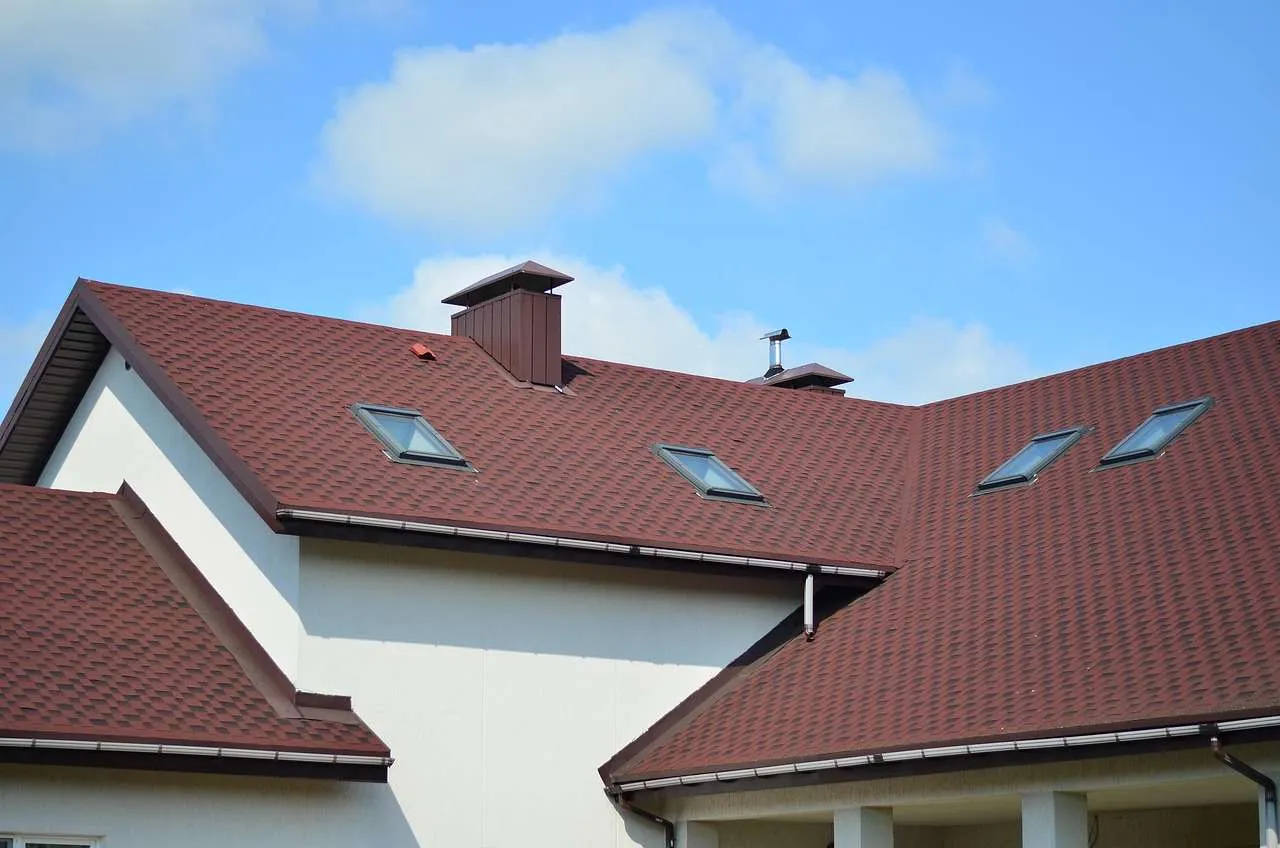
Understanding TPO Roofing: What Is It?
TPO roofing, or Thermoplastic Olefin roofing, is a popular single-ply roofing membrane widely used in commercial and residential structures. Known for its durability, energy efficiency, and cost-effectiveness, TPO has rapidly gained prominence as a leading choice for flat and low-slope roofing systems.
Key Benefits of TPO Roofing
- Energy Efficiency: TPO membranes have reflective surfaces that help reflect UV rays, reducing cooling costs and improving building energy performance.
- Durability: Resistant to tears, punctures, and impact damage, TPO roofing offers a robust barrier against weather elements.
- Cost-Effective: Compared to other roofing options like EPDM or PVC, TPO provides a competitive price point without sacrificing quality.
- Environmentally Friendly: TPO is fully recyclable and often contains no harmful chlorides in its composition.
- Ease of Installation: Lightweight and flexible, TPO membranes can be installed quickly by professional roofing contractors.
TPO Roofing Membrane Composition and Types
TPO roofing membranes are primarily made from a blend of polypropylene and ethylene-propylene rubber, offering both flexibility and strength. There are various thicknesses and reinforcing options (such as scrim or polyester reinforcement) that cater to different roofing specifications.
Variations Include:
- Smooth Surface TPO: Provides a clean, reflective finish commonly used for commercial roofs.
- Textured TPO: Adds slip resistance and enhanced durability in high-foot-traffic areas.
- Reinforced TPO: Contains scrim fabric embedded for extra tensile strength.
Step-by-Step TPO Roofing Installation Process
Proper installation is crucial to maximize the benefits and lifespan of TPO roofing. The process typically involves the following steps:
| Step | Description |
|---|---|
| Preparation | Inspect and clean the roof deck to ensure a flat and debris-free surface. |
| Installing Insulation | Install insulation boards to enhance energy efficiency and provide a stable base. |
| Membrane Placement | Lay the TPO membranes over the insulation, aligning seams precisely. |
| Welding Seams | Use hot-air welding to fuse membrane seams ensuring a watertight barrier. |
| Edge and Flashing Details | Install edge finishes, flashing, and penetration seals to prevent leaks. |
| Final Inspection | Conduct a thorough inspection to ensure system integrity and code compliance. |
Maintaining Your TPO Roof for Longevity
Regular maintenance helps extend the life of a TPO roof and keeps warranties valid. Consider these essential tips:
- Routine Inspections: Schedule bi-annual inspections to identify debris, punctures, or seam failures early on.
- Cleaning: Remove dirt, leaves, and other debris promptly to prevent membrane damage or ponding water.
- Seam Repairs: Address any seam separates or cracks immediately with professional repair products.
- Avoid Harsh Chemicals: Use gentle cleaners specifically formulated for TPO materials to avoid degradation.
- Proper Foot Traffic: Limit heavy foot traffic and place protective mats in high-use areas.
Comparing TPO Roofing With Other Membrane Types
| Feature | TPO Roofing | EPDM Roofing | PVC Roofing |
|---|---|---|---|
| Material Composition | Thermoplastic Olefin (polypropylene and rubber blend) | Ethylene Propylene Diene Monomer (synthetic rubber) | Polyvinyl Chloride (plastic-based) |
| Energy Efficiency | High reflectivity, reduces cooling costs | Lower reflectivity, usually requires coating | Highly reflective surface |
| Durability | Good resistance to punctures and tears | Excellent flexibility, good tear resistance | Excellent chemical resistance and durability |
| Cost | Moderate, cost-effective | Generally lower cost | Usually higher cost |
| Installation Method | Hot-air welded seams | Adhesive or ballasted | Heat welded seams |
Who Should Consider TPO Roofing?
TPO roofing is ideal for building owners seeking an affordable, durable, and energy-efficient roofing solution, particularly for commercial buildings, warehouses, retail spaces, and institutions. It’s also gaining traction in residential applications with flat or low-sloped roof profiles.
Conclusion
Summary: TPO roofing offers an excellent balance of durability, energy efficiency, and cost-effectiveness, making it a preferred option in modern roofing. Understanding its benefits, installation process, and maintenance needs is essential to maximize its lifespan and performance. By comparing TPO with alternative roofing membranes, building owners can make informed choices tailored to their specific requirements and budgets.